
One Reason, and Five Ideas, to Develop Your People

0963996.jpg
‘But what if we train them and they leave?’ is a question I often hear. ‘What if you don’t train them and they stay?’ is my answer.

The old "damned if you don't" adage about training isn't new. But it continues to surprise me how often I have to pull it out on an unruly client. Typically, the decision maker in question is stuck between two unruly waves -- they are experiencing real pain from developmental gaps, and are afraid of the investment pain (time, money, personal follow-up) that comes from helping their people grow skills and competencies.

As the economy accelerates and a generational employment shift builds, the composition of our organizations is changing. Employees are testing the mobility brought on by a warming economy even as an aging workforce is forcing change at multiple levels – Boomers are aging out of the workforce, Millennials and Gen Xer’s are sliding into roles of increased responsibility, and younger Millennial employees are entering the labor market. Talk about churn!

All of this is creating a major developmental gap for many organizations – a brain drain as seasoned veterans retire and take all of their knowledge and relationships to the golf course; new managers lack critical skills; and new workers are bringing new ideas to the table.

Providing effective training and developmental opportunities for employees at all levels, and career stages, is a key to organizational sustainability.

Developing people and growing talent internally is the important thing that great organizations do.

Here are 5 types of professional development that create huge and positive impact for organizations:

  • Comprehensive Orientation and Onboarding: Start the way you want to finish. If you want new employees who are passionate, committed, effective and aligned, you need to be intentional about how they experience their very first weeks on the job. Notice I didn’t say days. Weeks. Months are even better. Carving serious time into the calendar for your new hires to provide exposure to all corners of the organization, relationship-building, and skill development are all critical to ensuring that your Enthusiastic Beginner doesn’t quickly devolve into a Disillusioned Learner.
     
  • Peer-Based Group Coaching: Coaching can be expensive, especially for managers and leaders. Peer-based group coaching is an effective (and more affordable) way to bring small groups of peers together regularly to increase alignment, context and professional development. Groups of 3-7 employees (who don’t have reporting relationships) come together at least once a month to discuss their work challenges, share organizational observations, and hold each other accountable. You can make these experiences as structured or informal as you want, and run multiple groups simultaneously for maximum impact. (For best results, hire a coach to facilitate and guide the discussions.)
     
  • Management Skill Training: Organizations hire people for technical job skills, and run into trouble when they are promoted without proper development into roles where they manage other people. Failing to provide supervisors and managers with the awareness (of self and others) and skills they need to be effective, is a common mistake. It’s a costly mistake. It is a serious disservice to your managers, and to the people for whom they have responsibility. Self-awareness, effective communication, giving (and receiving) feedback, difficult conversations, situational leadership, developing others and long-term organizational planning are among the critical skills for people who supervise other people.
     
  • Emerging Leader Development: How do you quickly cultivate new leadership for your organization as the Boomers leave and a new generation steps into roles of influence – often with much less experience than their predecessors? There are a plethora of leadership and young professional programs out in the world. Some are fun. Many are interesting. A few are excellent investments. Some of the best we’ve seen are managed internally, and provide a mix of leadership development, business skill building and industry-specific training. They push young leaders to identify their personal vision, deepen their appreciation for their teams and consistently engage with more alignment and inspiration.
     
  • Mentoring Programs: Before all of the sage elders flee your organization, find opportunities for them to teach the young whippersnappers about the people, values and powerful experiences that mattered to them. Whether you establish a formal mentoring program with specific outcomes, homework assignments and deliberate pairings of mentor and mentee, or create regular, informal opportunities for senior employees to spend time talking with newer workers, mentoring makes a difference. And it ensures your organization doesn’t lose an entire generation of knowledge as you move forward.

Manager Development Program: That's a Wrap!

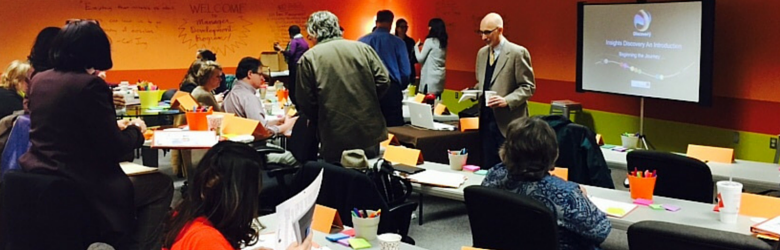
Last week we wrapped up the first running of our new Manager Development Program - a six week program designed to help managers have a greater impact on their teams and organizations. We had a great time creating and delivering MDP, but now that it is over we are quickly shifting our focus to the future and making the program even better.

With all of our work at Floricane we try to help folks identify and leverage their strengths. As we continue to gather feedback from participants and begin an in-depth post-mordem on MDP, we've realized we need to do the same with ourselves. It has already become clear that there is some content in this program that we need to jettison. Not because it isn't useful, but because it just doesn't play to Floricane's strengths. Likewise, we have heard from participants that the content with the most impact is firmly seated in Floricane's wheelhouse. 

We're looking forward to rebuilding MDP and keeping in touch with the 28 managers who took part over the past six weeks. We'll be running a new and improved version in the fall, so keep your ears to the ground.

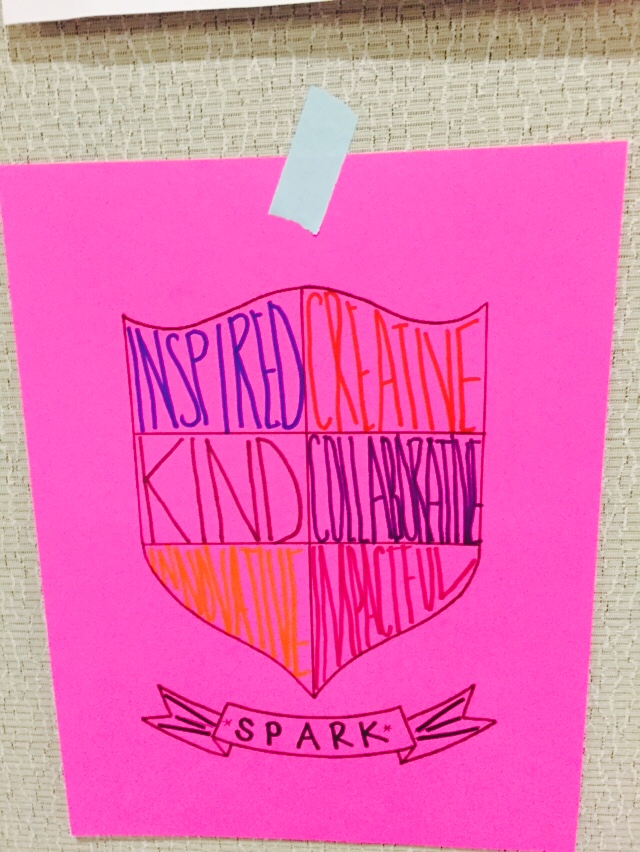
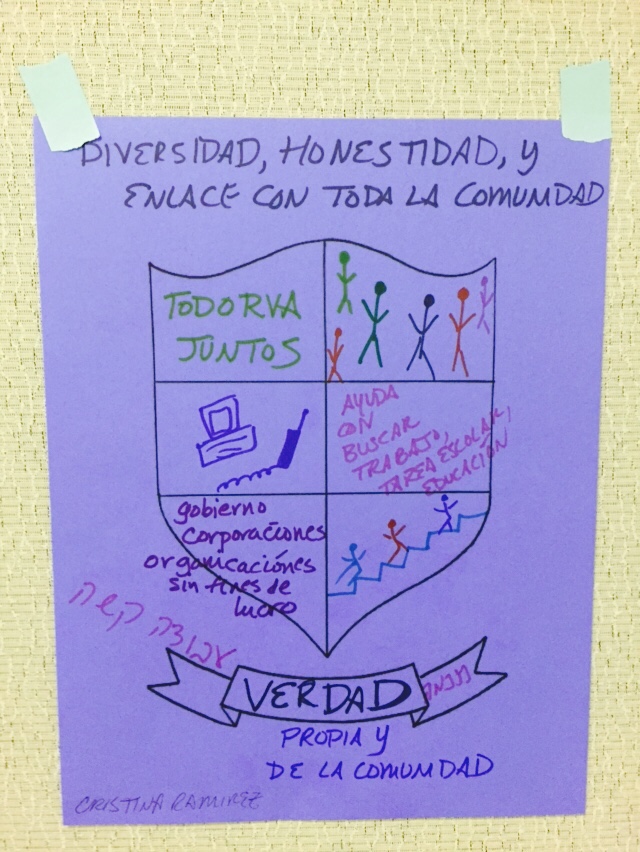
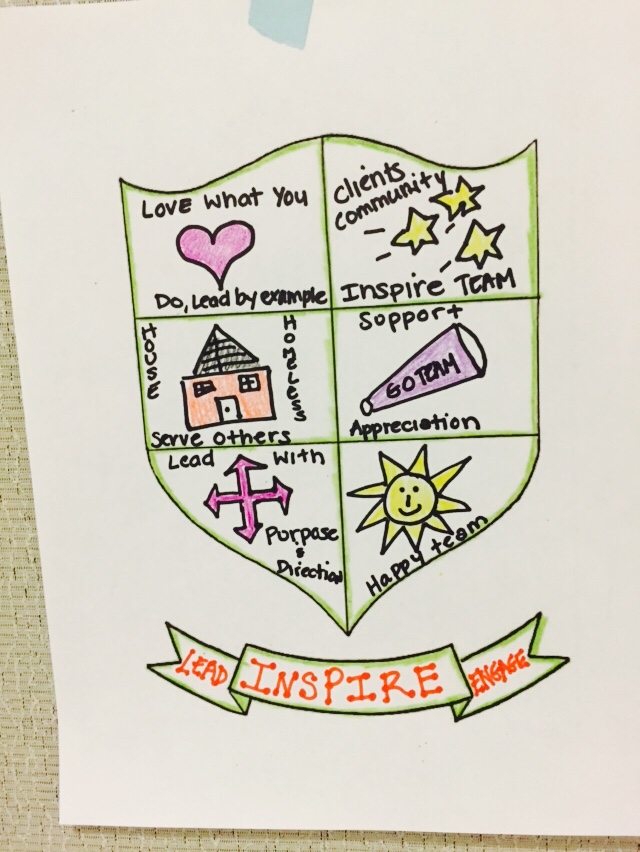
On the last day, participants were asked to creatively display their own personal management vision, developed over the course of the program. 

On the last day, participants were asked to creatively display their own personal management vision, developed over the course of the program. 

Star Wars Personalities

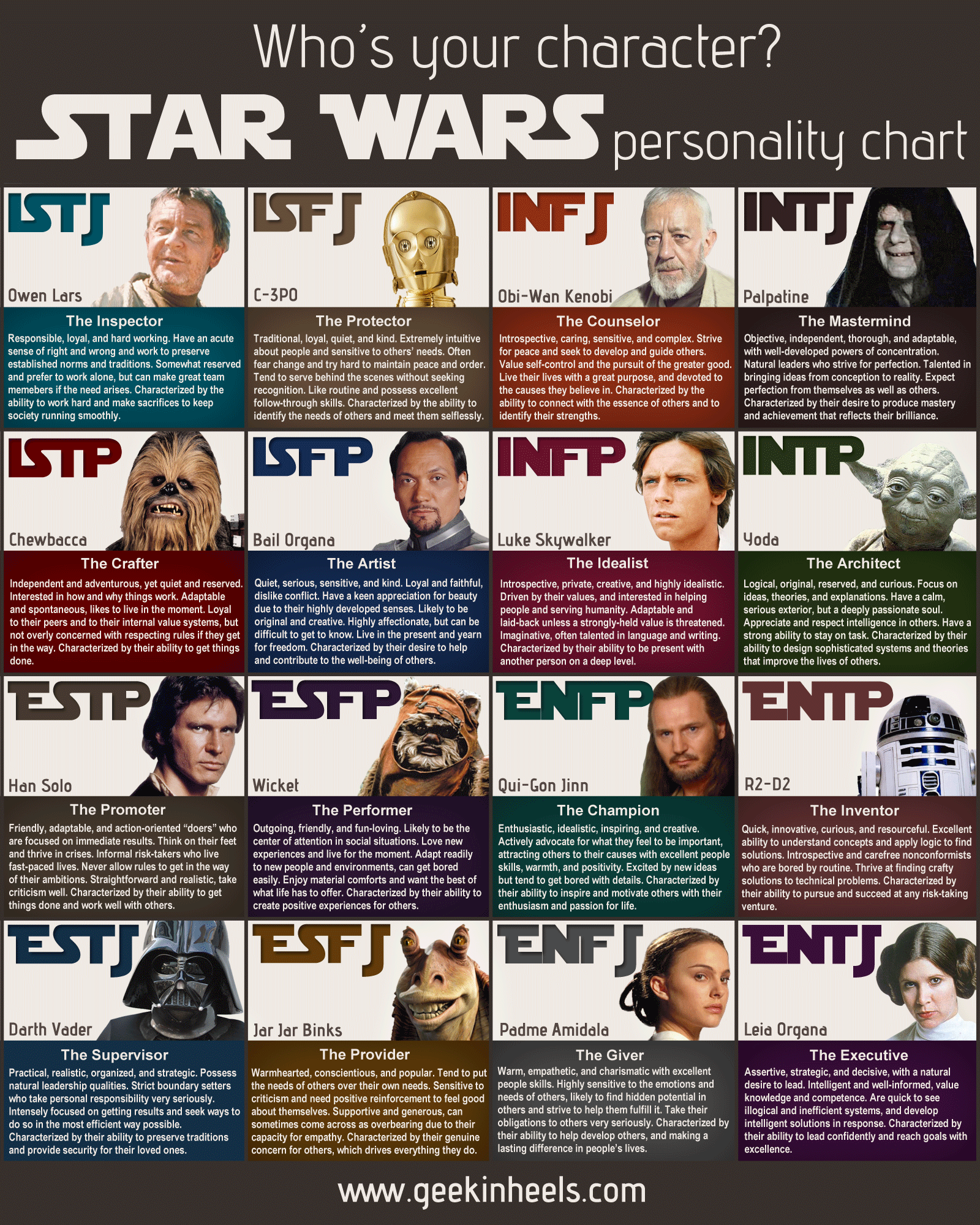
Disclaimer: At Floricane, we've fallen in love with Insights® Discovery, which is a kind of personality/personal preference evaluator that is similar to Myers-Briggs/MBTI, yet different in huge, important ways (that's a blog post for another time). Insights is all about stretching outside the box that some other tests might try to put you in. Insights would say, "Don't worry, Jar Jar Binks! You definitely know when it's time to put on your Darth Vader mask and get. things. done."

As a psychology major, I'm super into these kinds of charts. When I come across a new one, I typically seek out the characters that represent me and my favorite people. Of course, as I'm doing this I'm also loosely converting the Myers-Briggs types to colors on the Insights wheel... #Insights4Life

I found this chart especially interesting because of how it illustrated the personalities of my group of best friends and me. Background: these are the girls I've been best friends with since age 8; so they're basically my sisters. Here we are making up the most hilarious Star Wars foursome:

So proud of my motley crew.

So proud of my motley crew.

Let's ignore for a moment that I'm the hideously ugly, super-evil, Frank-Underwood-of-Star-Wars character, and let's pretend that Palpatine used his powers for good. Now, how great is this group of best buds? They each have vastly different character strengths, which can come into play at different times. The best part is that the diversity among the group means that one's strengths can almost definitely compensate for another's weaknesses. That's the definition of a great team! 

Chewbacca loves Palpatine

The same thing can be said about teams in the workplace. If everyone had the exact same outlook on things, or the exact same skills, the team would probably be critically weak in some key areas. Not to brag, but let's be honest: they'd have nothing against my fearsome foursome. 

It's so important that we appreciate those differences in others and recognize how our differing strengths are a huge benefit to all of us! I'll try to remember that when my more optimistic friends (I'm talking about you, Jar Jar) are dragging me kicking and screaming out of my pessimism camp.

And I'd also like to mention that I just got engaged to a Chewbacca, and I'm overjoyed about it.

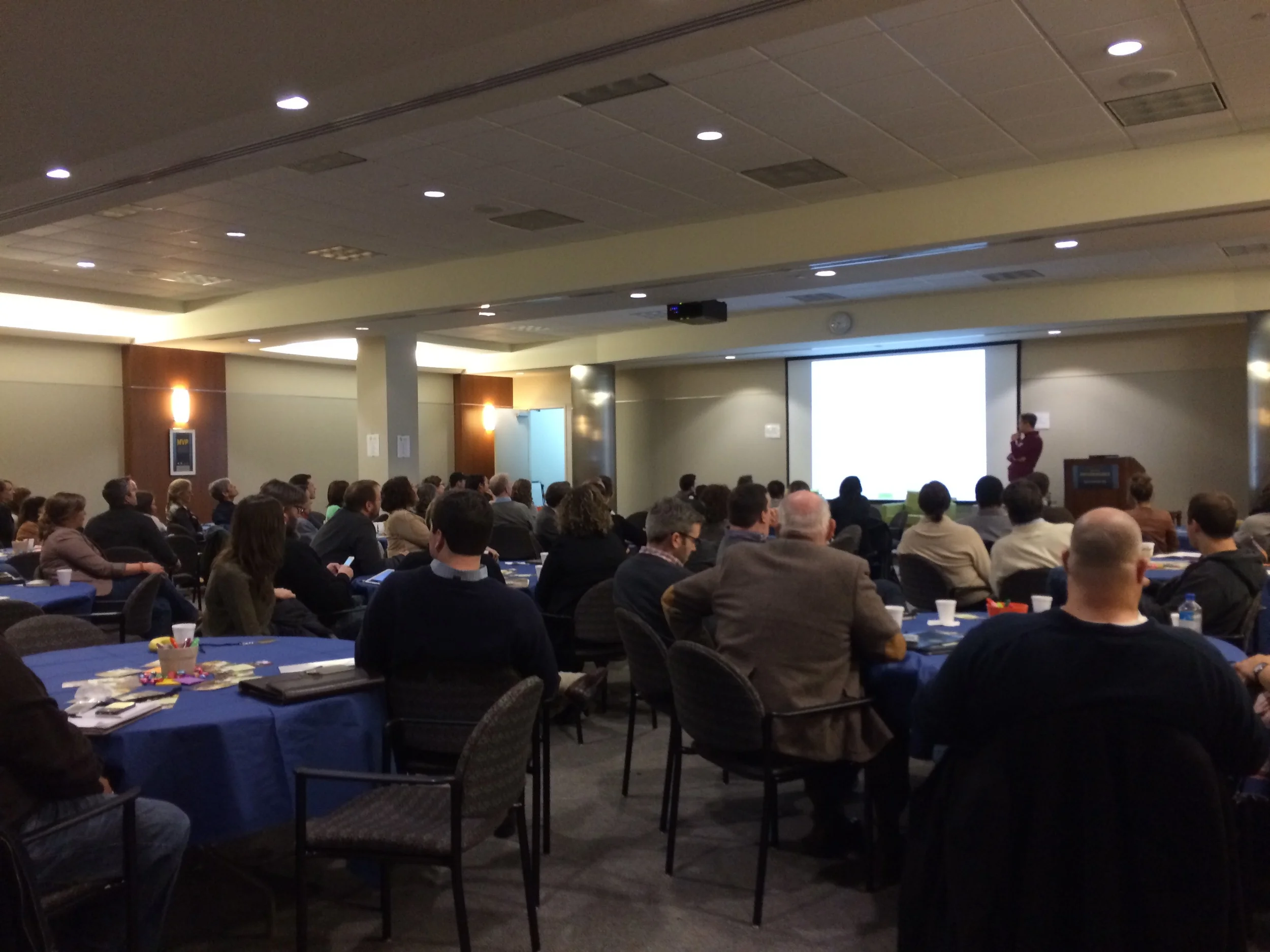
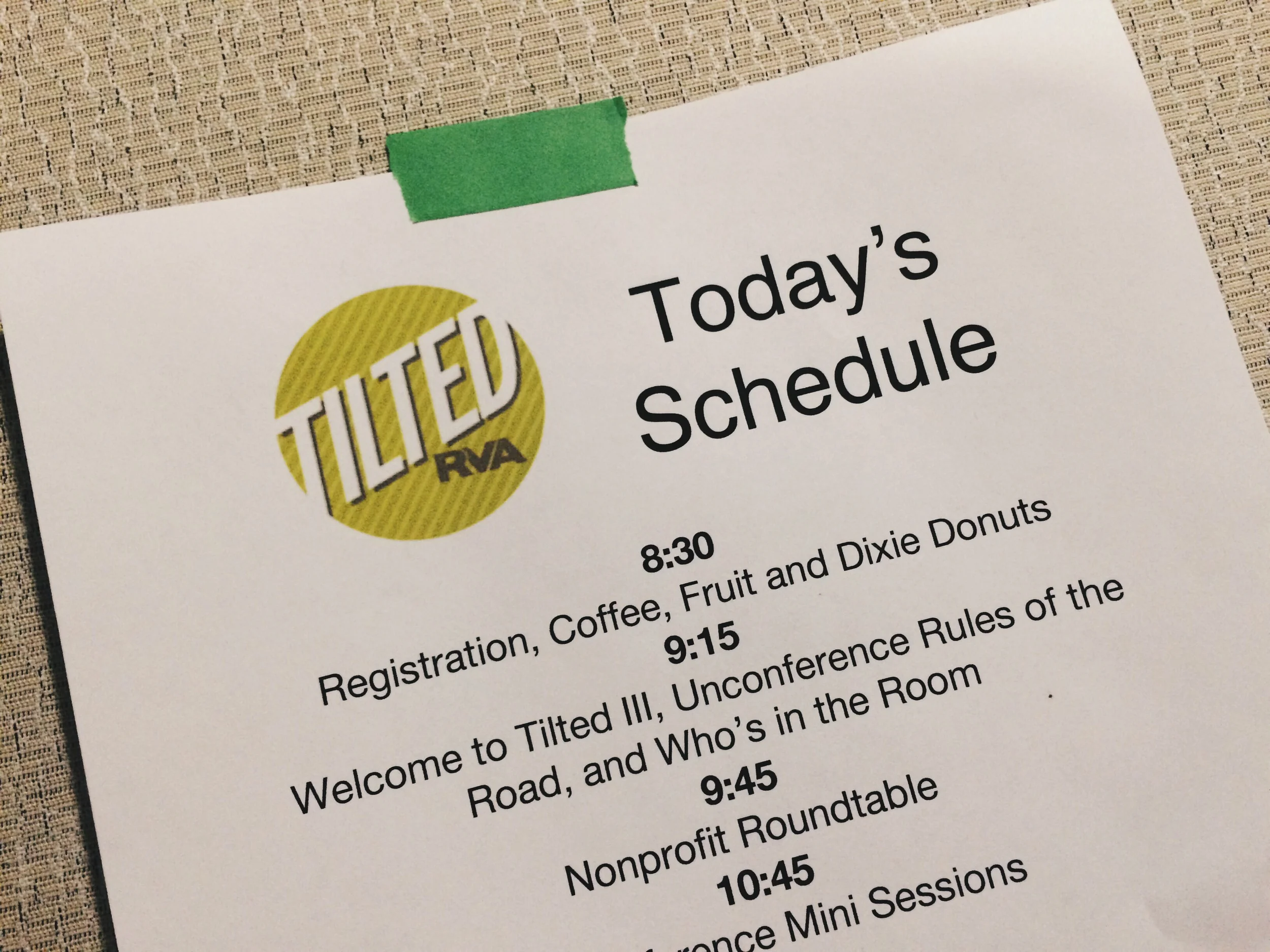
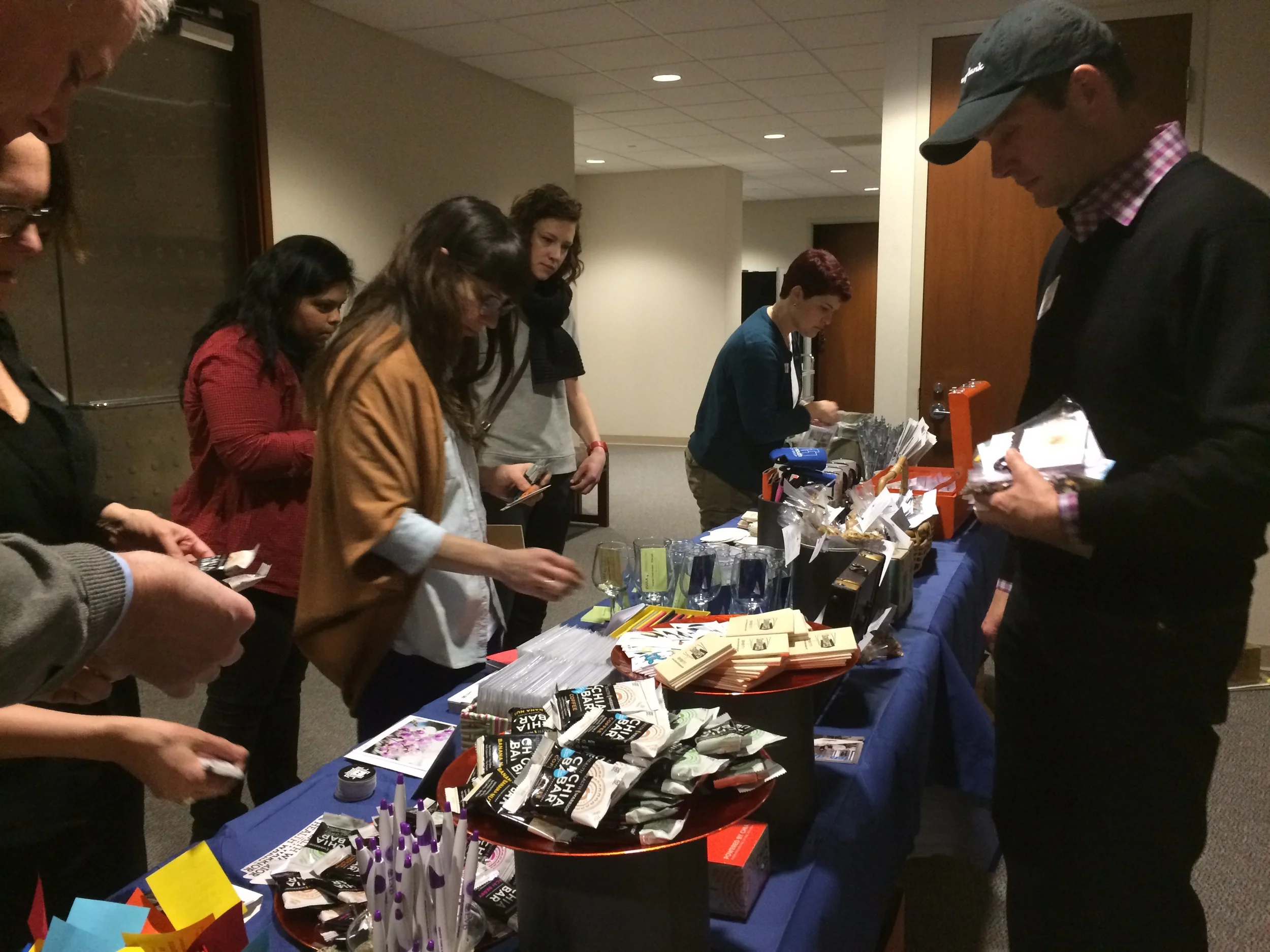
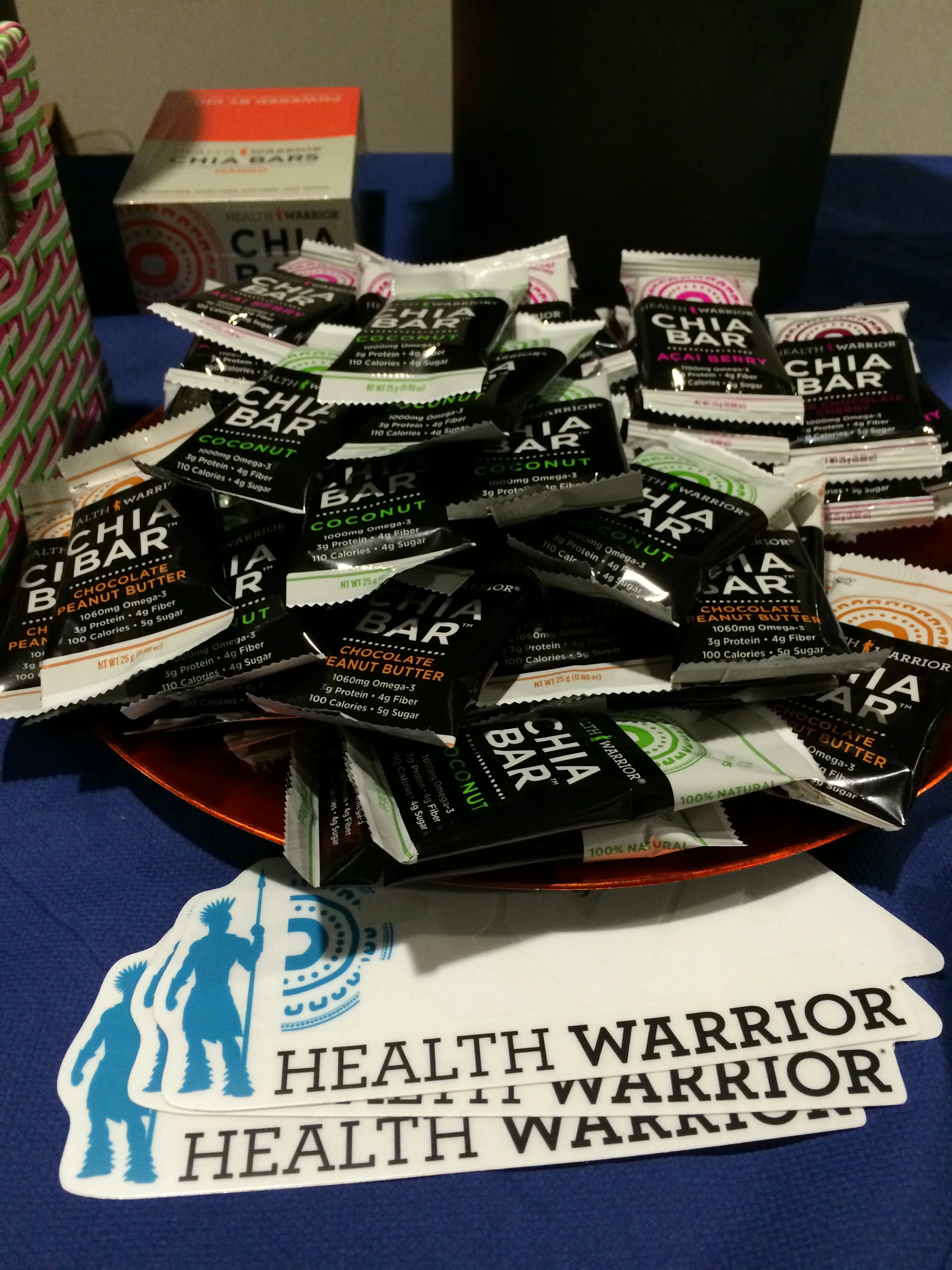
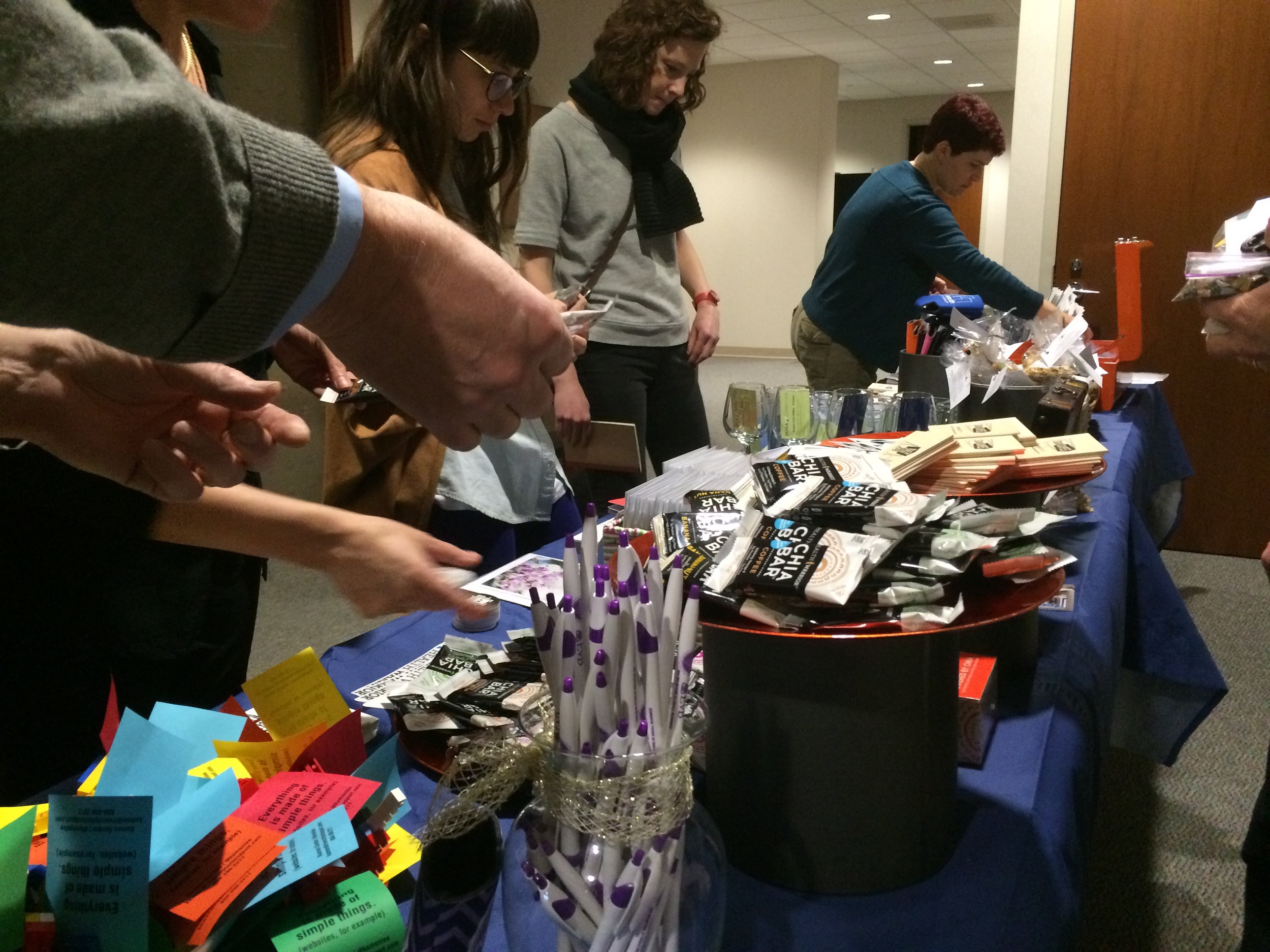
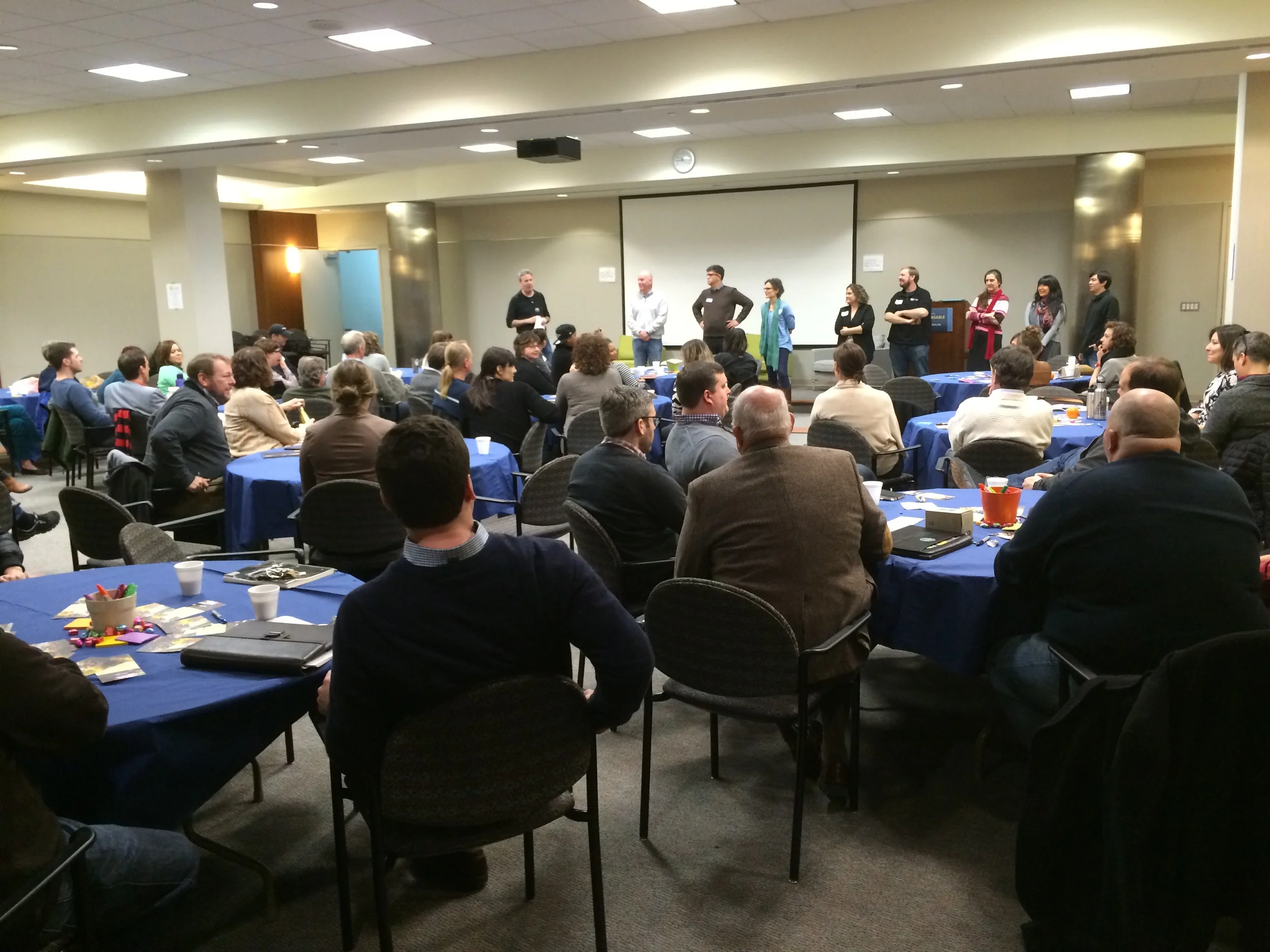
Photos from Tilted RVA III: Small Business Unconference

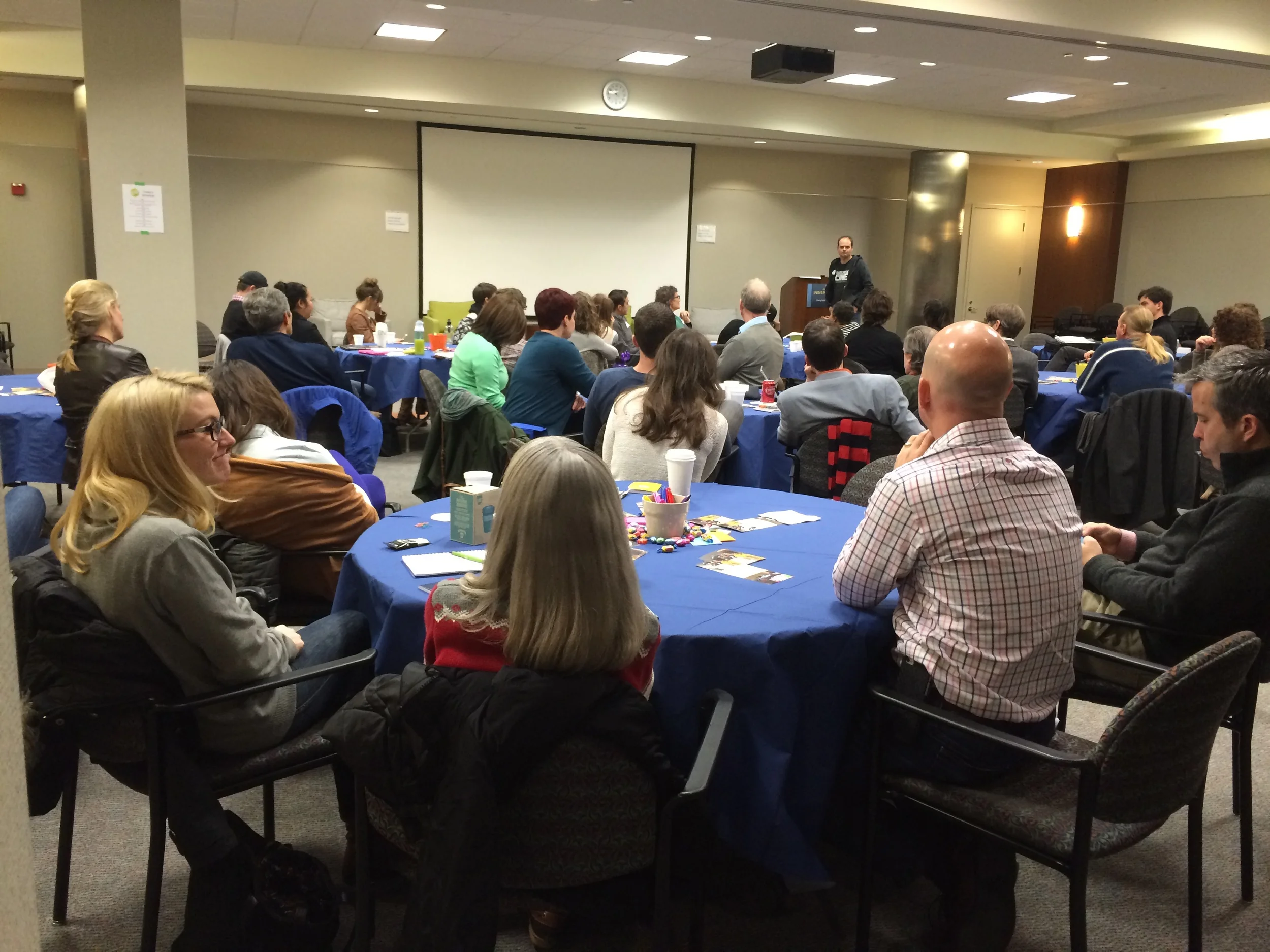
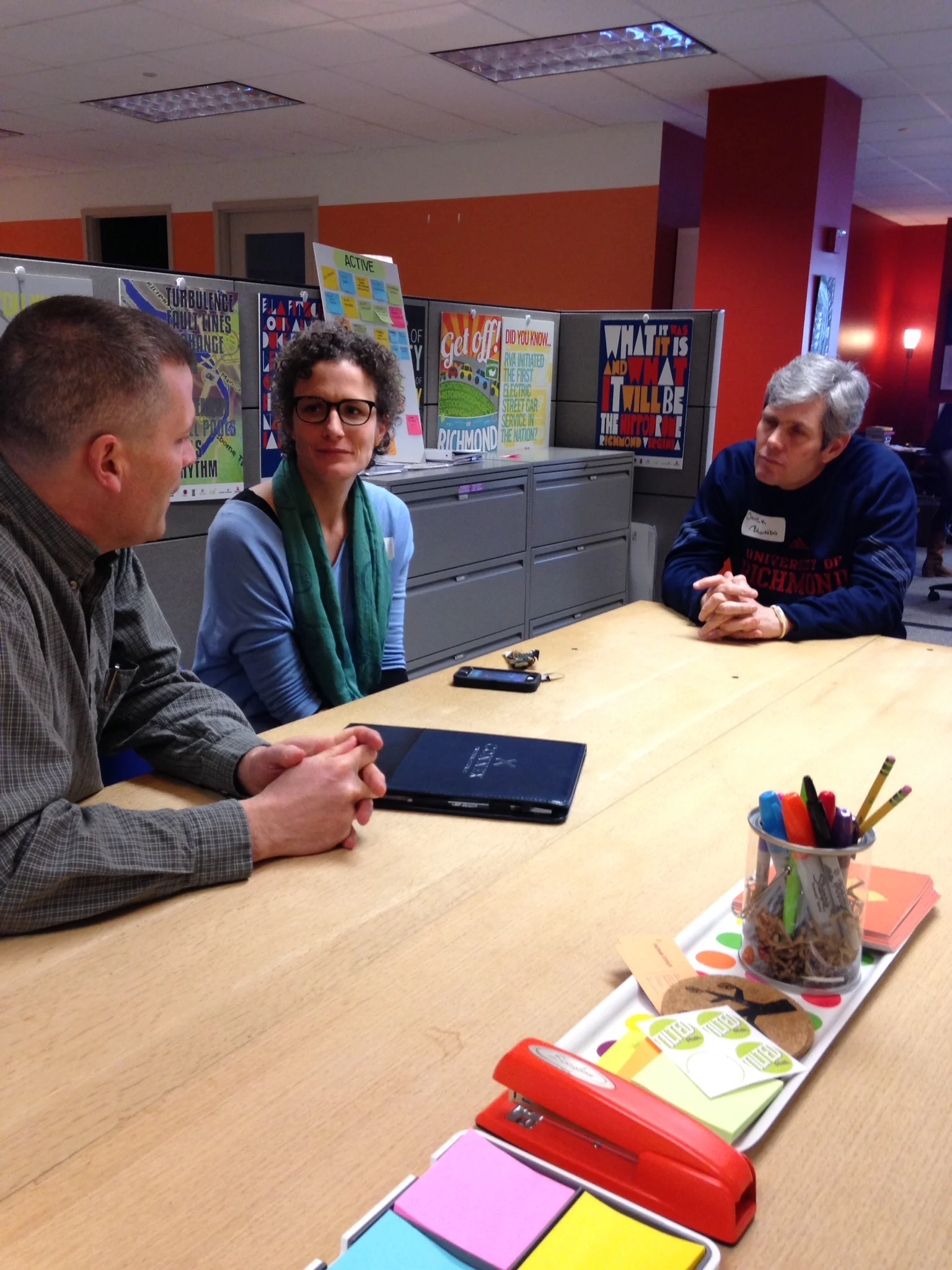
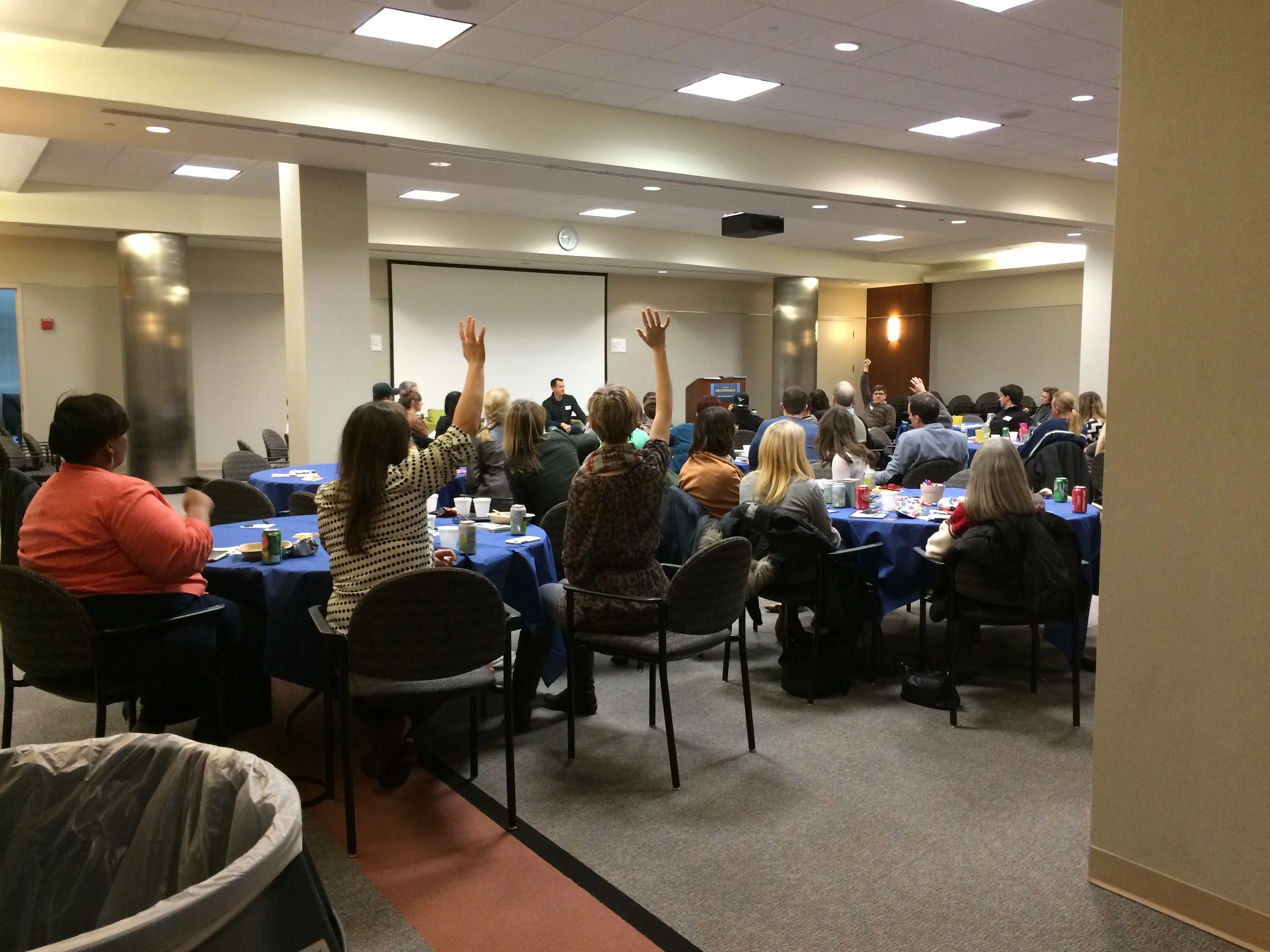
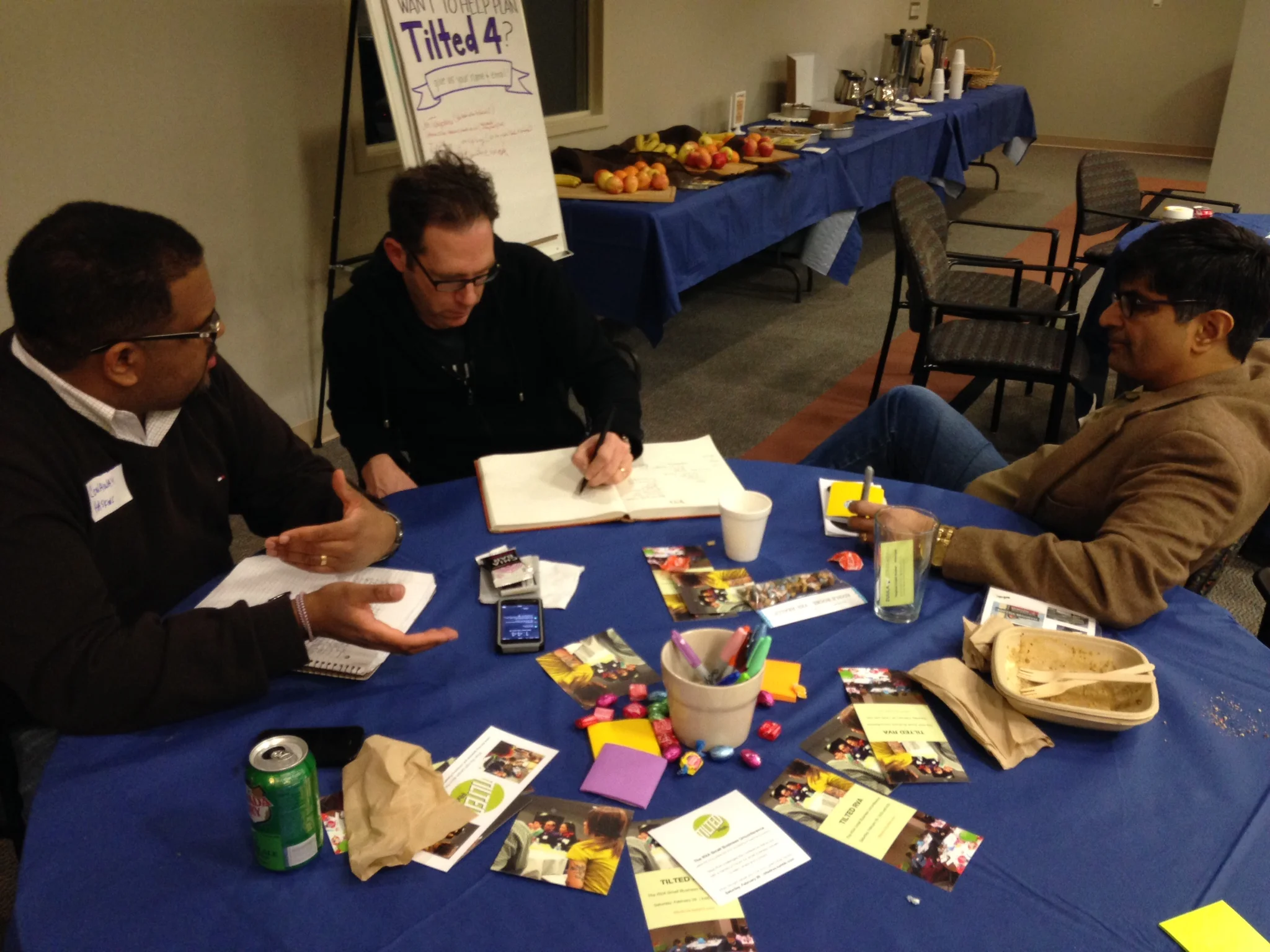
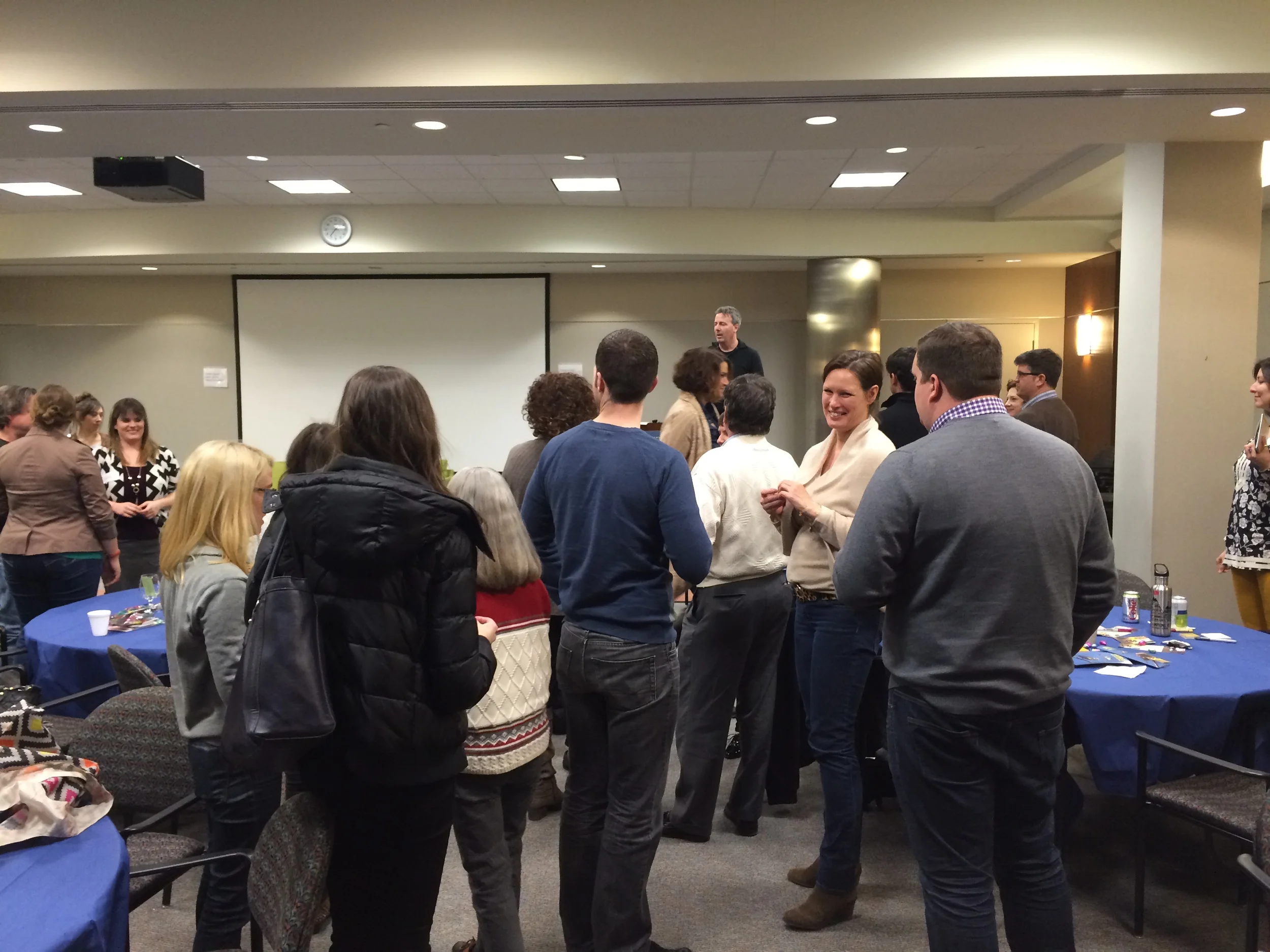
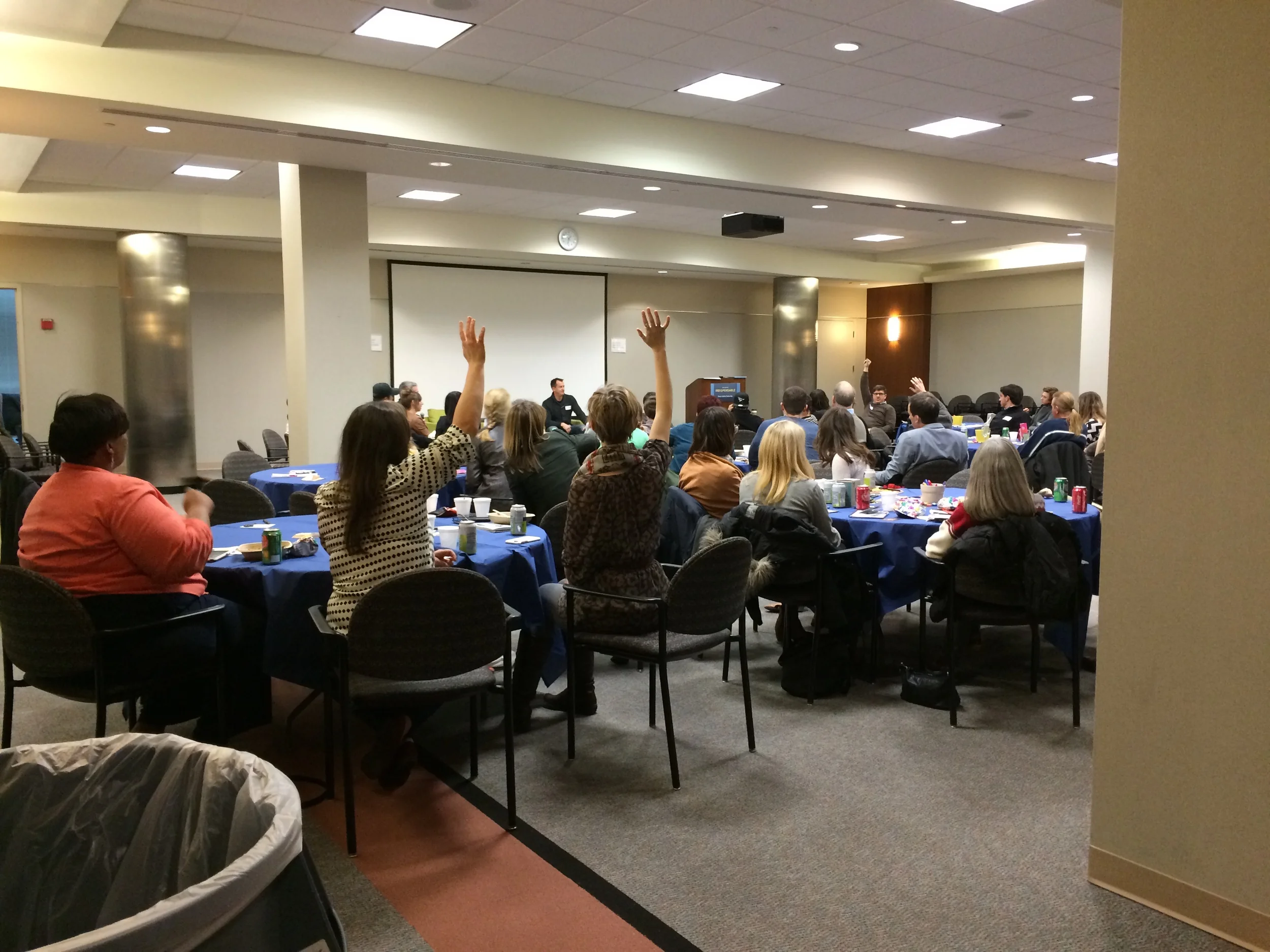
Tilted RVA III was this past weekend! Floricane had been working with other small businesses to bring this small business unconference to fruition for the third time, and we had such an amazing time with the group of participants. 

To see a crowd-sourced social media story of the day via Storify, click here!

To read John's thoughts on the day, click here

Thoughts on Tilted RVA III & Collaboration (Letter from John, March 2015)

Thoughts on Tilted RVA III & Collaboration (Letter from John, March 2015)

Whenever I wonder why I’m doing what it is I do for a living – building relationships; helping people anticipate the future and connect the dots; creating and facilitating conversations of discovery and possibility – I stumble into another reminder.

Last weekend, members of the Floricane team walked into the room with about 70 entrepreneurs and small business owners to network, share ideas and learn. This was the third year running we’ve worked with a few of our peers (read: six or seven other small business owners) to organize and run Tilted RVA, a small business unconference.

Once again, I was reminded how hungry small business owners are for conversations that matter. How eager all of us are to connect and share our stories. How curious we are about the questions that keep us awake at night. And, once again, I discovered that even when we don’t put our best foot forward, the right people are in the room having the right conversations.

Get to Know the Team: Anne!

Anne Chamberlain

To kick off 2015, we'll be featuring one member of the Floricane team on our blog each week, using a questionnaire that really asks the tough questions.

This week, Anne Chamberlain! One of our consultants, Anne is a star facilitator and is known for bringing a huge amount of energy to big groups. One of just a few extroverts on the team, we rely on Anne to bring out our collaborative sides! Let's see how she responded to the Q&A:

Do you want to rock n’ roll all night or party everyday?  
Party every day. If by that you mean play, create, laugh and relax with amazing people. I can’t pull all nighters any more, but I do still love good rock n’ roll.

Which President would you most like to have a drink with, past or present? 
How about future? I’d most like to have a drink with the first woman president.

If you were not doing this job you’re doing now, what job would you be working? 
I would be “working” in a job that doesn’t feel like work – which is what I’m so lucky to be doing now! My wise parents always encouraged me to follow my passion. While it’s true, this has led me to backpack through Australia, be a freelance photographer in Telluride, CO and facilitate high ropes courses in the treetops with a climbing harness – possibly not what my folks had in mind - it has also led me to pursue work with organizations, teams, and individuals that is aligned with the truest sense of myself. And my other ”job”, that I love equally as much, is raising two incredible children to follow their passions and be the most authentic version of themselves.

Pie or Cake or Neither?
Pie. Unless the cake is a decadent dark chocolate, and then I’d have to go with cake.

Do you have a favorite Sharpie color?
I don’t have a favorite Sharpie color, but I have a favorite set of Sharpie markers – the Chisel Tips.

Your favorite place for dinner?
A flat rock on the James River reachable only by kayak. Or Kuba Kuba for dinner or just the best tres leches cake and decaf in town.

Excluding your work a Floricane, who was your best boss, and why?
My best boss was the Director of Organizational Development & Training at UVA. I was fresh out of college – so “green” and inexperienced – and yet he had such a strong belief in me. He gave me projects that were just far enough over my head to be challenging but not overwhelming. And then he got out of the way to let me create, learn, take risks, collaborate, research, facilitate and thrive. I didn’t realize it at the time, but I learned a lot about leadership by watching him run the department with humor, humility and loads of skill.

What are three things you love about Richmond?
The James River, the eclectic, colorful, edgy vibe. And my Northside community – can’t imagine life without my village!

If we looked at your Facebook page, what might surprise us?
That I hardly ever use FB.

What’s next for you?
I don’t know, but that’s what’s exciting! I am perpetually open to new adventures…  

​Sprinting with Virginia Mentoring Partnership

It’s astounding that mentoring in our public schools has been so visible for more than a generation – but the Virginia Mentoring Partnership (VMP) remains so invisible to the public. If you’ve ever worked with a kid in a formal mentoring program, you probably benefitted from VMP. The organization provides training and support for mentoring programs around Virginia.

For the next several months, we’ll be taking VMP staff and board through a round of our new “strategic sprint” process – or, SEAL Team Training for Nonprofits, as we jokingly call it. The process starts with a focus – in this case, a few key areas of emphasis developed by the board. For five months, we’ll work with each board committee to hone in on specific, actionable work that supports that focus. In between sessions, we huddle with the executive committee to check alignment and process.

At its best, the strategic sprint process helps board committees make measurable progress around key areas of work. It clears the decks of extraneous reporting, or well-intended new work for staff, and puts the board’s talent to work in action-oriented ways.